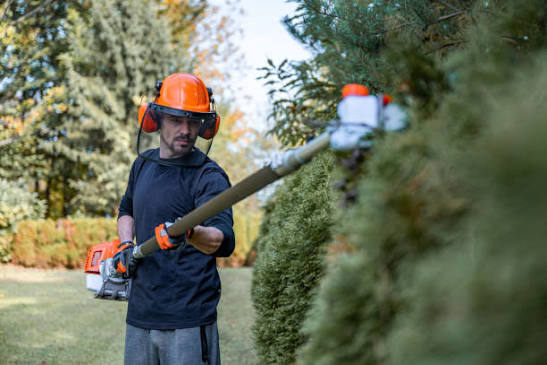
Every Texas summer evening runs the same negotiation: the patio is perfect, the temperature has finally dropped, and within ten minutes the mosquitoes have chased everyone back inside. The standard responses — sprays, candles, zappers, fogging services — all fight the adult mosquitoes already in the air. Which is treating the symptom, endlessly, because the yard keeps manufacturing more.
Here's what the pest-control industry knows and most homeowners don't: mosquito populations are built by yard conditions — specifically standing water and dense, humid harborage — and the same maintenance practices that make a yard look great systematically dismantle both. A well-maintained property isn't just prettier than a neglected one; it's measurably worse habitat for mosquitoes. Here's exactly how the connection works, and the maintenance-based mosquito reduction plan hiding inside services you might already want.
Everything hinges on two facts. First: mosquitoes breed in standing water — and barely any of it. The species that plague Texas backyards can complete their egg-to-biting-adult cycle in about a week, in water measured in ounces — a bottle cap qualifies in principle; a clogged gutter section, a saucer under a pot, or a soggy low spot is a production facility. Second: adult mosquitoes spend their days resting in dense, shaded, humid vegetation — overgrown shrubs, tall grass, ivy mats, the cool green interiors of unmaintained landscapes — venturing out to bite in the mornings and evenings. Water makes them; vegetation houses them. Remove both, and the backyard population — the mosquitoes actually biting you, most of which were born within a couple hundred yards — collapses toward whatever drifts in from elsewhere.
Now walk the property through that lens.
The breeding-site hunt is the highest-leverage mosquito work there is, and most of it overlaps with maintenance you already need:
A leaking valve keeping one zone soggy, a broken head creating a perpetual puddle, a drip line failure soaking a bed corner: chronic irrigation failures are chronic mosquito nurseries, refilled automatically on schedule. The soggy spot that never dries isn't just killing grass and breeding fungus — it's running a hatchery. Every argument for routine irrigation inspection and repair quietly includes this one: fixing the leaks removes standing water at its most reliable source. The same goes for overwatering generally — a schedule that leaves lawn and beds saturated between cycles maintains the humid, wet-ground conditions the whole mosquito lifecycle enjoys, while the deep-and-infrequent discipline dries the property out between waterings.
The low spot that holds water for days after rain, the swale clogged with debris, the compacted zone where every storm pools: these are the rain-fed breeding sites, and they're the drainage problems already worth fixing for turf reasons. Aeration (so clay absorbs instead of pooling), grading corrections for the genuine low spots, cleared drainage paths, and downspout management that moves roof water along — the entire standing-water playbook doubles as mosquito control.
The five-minute walk that outperforms any fogger: empty and flip everything holding water — pot saucers, buckets, toys, tarps, the wheelbarrow, the trash can lids — and refresh birdbaths and pet bowls every few days (mosquito larvae need about a week; a twice-weekly refresh breaks the cycle). Check the gutter line while you're at it: clogged gutters are elevated breeding trays running the length of the house, and leaf-season buildup is exactly when they clog — one more line in the case for thorough leaf removal that includes the drainage paths.
Adult mosquitoes need daytime housing, and unmaintained landscapes provide luxury accommodations:
Honesty section: yard maintenance is population reduction, not force field. Mosquitoes fly in from the neighbor's untreated backyard, the creek, and beyond — no property is an island. What source reduction does is shrink the locally-bred population (the large share of your bites) and remove the conditions that let visiting mosquitoes settle in and multiply. For the remainder: fans on the patio genuinely work (mosquitoes are weak fliers), repellents handle the person-level defense, and professional treatment programs exist for properties that want the additional layer. But every one of those works better on a property that isn't manufacturing its own swarm — and the maintenance layer is the one that also delivers a healthier lawn, working irrigation, trimmed landscape, and clean beds as side effects.
The mosquito problem and the maintenance to-do list are the same list wearing different names: fix the irrigation leaks, solve the standing water, keep the mowing rhythm, trim the shrubs quarterly, clear the leaves and debris from every corner. A yard maintained that way looks the way you want it to — and produces a fraction of the mosquitoes, without a drop of fog. The patio evenings are winnable. Start with the water.

Take the backyard back this summer. Kangaroo Outdoor Solutions' maintenance program dismantles mosquito habitat at the source — irrigation repairs, drainage-minded lawn care, quarterly trimming, and complete cleanups. Build your quote today and enjoy your evenings outside again.