The maintenance program conversation always starts at the same objection: it's a recurring cost, and skipping it looks like saving. That instinct is understandable and, over any honest multi-year window, backwards — because the alternative to maintenance was never free. The alternative is the rescue cycle: the repairs, replacements, and recovery projects that unmaintained properties generate on schedule, each one costing multiples of the routine care that would have prevented it. Here's the actual accounting — where a year-round program saves money, line by line.
The core math of all property care is the gap between maintaining something and restoring it, and the gap is never close.
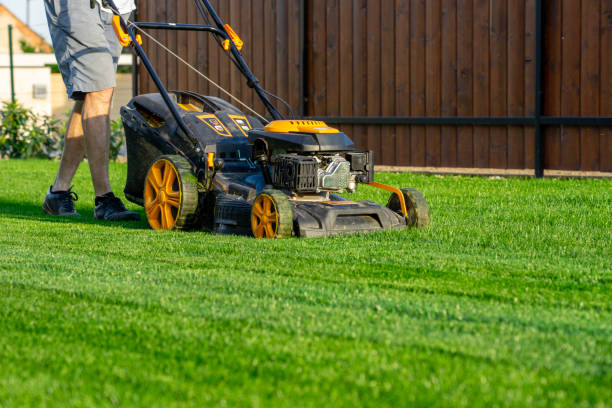
The lawn version: weekly maintenance keeps turf healthy for a modest recurring cost. The neglect version ends in dead zones and resodding — the single priciest line item in residential turf, routinely costing more than years of the mowing that would have prevented it. The shrub version: quarterly trimming holds every plant in shape for four light visits a year. The neglected landscape needs staged multi-season restoration — skilled, slow work — and its worst cases end in replacement plants plus years of waiting for them to mature. The bed version: monthly control keeps weeds from ever establishing. The rescue version is the recurring labor-hours cleanup, purchased again and again, that never actually changes the trajectory.
Every category runs the same equation: rhythm is cheap, rescue is expensive, and the rescue always eventually arrives on the unmaintained path.
The second savings stream never appears on any invoice: problems caught small. A program puts trained eyes on the property weekly, and the difference between early and late discovery is measured in multiples. The sprinkler failure spotted this week is a minor repair; unnoticed for a summer month, it's a repair plus a dead zone of turf. The grub infestation flagged at first browning is a treatment; discovered at full spread, it's a treatment plus a renovation. The drainage problem noticed at the puddle stage is a correction; ignored through a wet winter against a foundation, it's a conversation with a different kind of contractor entirely.
Unmanaged properties don't have fewer problems — they have later-discovered ones, and later is where the cost lives. The program's weekly presence functions as insurance that also mows.
The third stream: coordinated services simply get more out of every dollar than scattered ones. Aeration timed with fertilization means the feeding delivers at full value instead of sitting on sealed soil. The turf program's applications ride on irrigation that's verified working — instead of a season of treatments quietly wasted on a failed zone nobody caught. The mulch installation lands on properly prepped, treated beds and lasts its full year. And the prevention structure compounds: every year of pre-emergent coverage shrinks the following year's weed pressure, which means less corrective treatment purchased over time — the rare cost line that trends down.
There's also the water bill, which deserves its own mention: the irrigation tuning inside a program — leaks caught, schedules seasonal, coverage true — recovers real money monthly, often enough on its own to offset a meaningful share of the program cost through the watering season.
Round out the ledger with the quiet items. The equipment you don't buy, fuel, maintain, and store — the mower, edger, trimmer, blower fleet that DIY care requires and replaces on a cycle. The weekends you don't spend — a real cost, priced however you value fifty-plus hours a season. The property value protected — the curb-facing condition that shows well whenever an appraiser, buyer, or neighborhood comparison happens to look, versus the deferred-maintenance discount that rough properties silently absorb. And the volatility you don't carry: a program converts the yard from an unpredictable generator of surprise expenses into a flat, budgetable line — which is its own kind of financial value.
None of this makes a maintenance program free — it makes it cheaper than the alternative actually is once the alternative gets priced honestly: rescue projects instead of rhythm, late discoveries instead of early ones, uncoordinated spending instead of multiplied spending, plus the equipment, the hours, and the risk. Over any multi-year window, the program is the economical path — and it delivers a better property the whole way, which the rescue cycle never does even at its higher price. The recurring cost was never the expensive option. It was the discount, paid in installments.

Run the real numbers on your own yard. Kangaroo Outdoor Solutions' year-round maintenance programs are customized line by line — pay for exactly what your property needs, and save what neglect actually costs. Build your quote today and get on the cheaper path.