Spring in North Texas doesn't send a save-the-date. One week it's February and dormant-brown everywhere; a few warm weeks later the whole growing season has launched — grass waking, weeds germinating, beds stirring — and the yards that were ready pull ahead in ways the catch-up yards spend all year chasing. Spring readiness is decided in late winter, by a checklist most homeowners don't know exists.
Here it is: the complete get-ready-for-spring sequence for a North Texas yard — what needs doing, in what order, and why the timing on several items is stricter than it looks.
One item on the spring list has a hard deadline, so it goes first: the late-winter pre-emergent application. Crabgrass and the summer weed class germinate when soil temperatures cross their threshold — typically late winter here, weeks before the lawn itself looks awake — and the pre-emergent barrier only works if it's down and watered in before that moment. Apply after the soil warms and the earliest weed wave has already walked through.
This single application decides more about your summer lawn than anything else on the list, and its window moves with each year's weather — which is exactly why it's the cornerstone of a managed turf program rather than a reliable DIY calendar item. If nothing else on this page gets professional handling, this should.
The lawn's spring prep is more restraint than action. A cleanup pass — clearing winter debris and the last leaves (live oak owners: your drop is happening now, and it needs managing off the greening turf) — sets a clean stage. A single tidy-up mow at normal height handles winter's stray growth and standing weeds.
What the lawn doesn't need: the aggressive early scalping some folklore recommends, which strips insulation off crowns while late freezes still threaten — and early fertilization, which feeds nothing but weeds until the grass has genuinely greened up and started growing. The spring feeding belongs weeks after wake-up, timed to the lawn, not the calendar. Spring lawn prep is mostly about not jumping the gun.
Before the season leans on it, the sprinkler system needs its post-winter physical — because freeze damage hides until pressure finds it. The startup sequence: water restored slowly, the backflow preventer watched as it charges (winter's favorite victim), then every zone run and watched end to end — heads rising and spraying true, patterns full, no geysers, no new leaks, coverage still matching the landscape. The controller gets rebuilt for spring: light early-season schedule, early-morning start times, rain sensor tested, forgotten programs purged.
Everything found now is a cheap repair with months of margin. Everything skipped now is a July discovery with a dead patch attached. The startup inspection is the highest-leverage hour on the irrigation calendar.
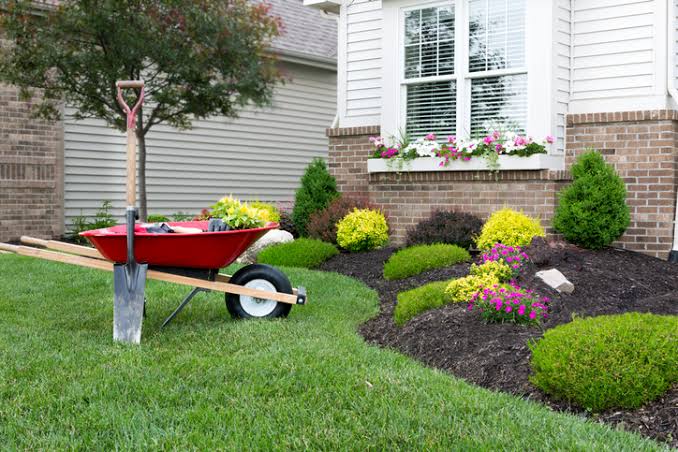
Spring is the beds' big moment, and the sequence matters: cleanup first — winter weeds out by the roots, debris cleared from around crowns; then bed pre-emergent on the cleaned soil, ahead of the warm-season germination surge; then the spring mulch installation — edges re-cut, the layer restored to a true two to three inches, trunks kept clear. That ordering stacks the defenses properly — barrier below, light-block above — and puts the summer-survival layer in place before the heat that tests it. Done as one coordinated visit, it's the single most visible transformation of the whole spring list.
Late winter is the closing window for the serious pruning — the structural cuts, the staged reduction stages on overgrown plants, and the crape myrtles' one proper session — all best done while plants are still dormant. As spring growth launches, trimming shifts to shaping mode: the first flush cut back to intended lines, establishing the profiles the summer visits will hold. And the spring bloomers wait — azaleas and their relatives get trimmed after they flower, not before. Getting the winter work done before bud-break is the difference between a landscape that starts the year composed and one that starts it behind.
Spring is one of the year's two aeration windows, and lawns with compaction symptoms — runoff, hard ground, thinning traffic paths — should claim it: soil opened as growth resumes means the whole spring gets spent building the deep roots summer will demand. One coordination note: aeration and pre-emergent share the season and need sensible sequencing — a routine matter when one team runs both, and one more argument for the whole list living on a single plan.
Read the list back and notice what it actually is: five services, each with its own window, several with hard deadlines, all landing inside about eight weeks — pre-emergent, startup inspection, bed-and-mulch sequence, winter pruning's last call, and the aeration decision. That's not a weekend project; it's a coordinated calendar — which is why the yards that nail spring, year after year, are almost always the ones where a single maintenance program runs the whole sequence automatically. Spring readiness isn't heroic effort in March. It's the plan that was already in motion in February.

Get every spring window covered without tracking a single one. Kangaroo Outdoor Solutions' Complete Maintenance Program runs the whole readiness sequence — pre-emergent, irrigation startup, mulch, trimming, and aeration — on one coordinated schedule. Build your quote today and let spring find your yard ready.