Every fall, the internet fights the same war. One camp insists you should never remove leaves — just mulch-mow them into the lawn for free fertilizer, the way nature intended. The other camp points at smothered, fungus-ridden spring lawns and says get every leaf off the grass, period. Both camps have real evidence. Both are right — about different yards.
Here's the honest truth the debate keeps missing: mulching versus removal isn't a philosophy question, it's a volume question. The right answer depends on how many leaves your trees drop, how fast, onto how much lawn — and it changes across the season even on a single property. Here's the situation-based guide that ends the argument for your specific yard.
Mulch-mowing — running the mower over fallen leaves to chop them into small fragments that filter down into the turf — has genuine science behind it:
So the mulching camp isn't wrong. Under the right conditions, mulch-mowing is legitimately the best thing to do with leaves. The entire question is what "the right conditions" are — and this is where the internet advice, much of it written for northern lawns with different grasses and drop patterns, needs a reality check.
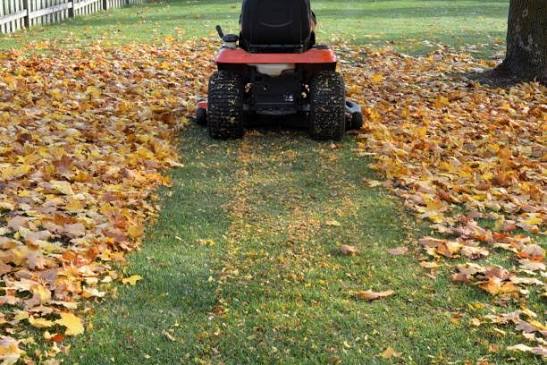
Here's the working threshold professionals use, and it's beautifully simple: mulching works when, after you mow, the leaf fragments disappear down into the turf and you can see mostly grass. If the chopped leaves sit in a visible layer on top of the lawn — matting over the blades instead of filtering between them — you've exceeded mulching capacity, and everything from here forward is smothering, not feeding.
In practical terms:
And volume compounds with speed: a yard that gets moderate drops weekly can mulch each one; a yard where two big trees dump everything in a fortnight goes from zero to buried faster than weekly mowing can process.
Beyond raw volume, several yard-specific realities push toward one answer:
Pushing toward mulching:
Pushing toward removal:
Here's the resolution of the great debate: on most properties, the right answer is both, sequenced across the season.
This is exactly how a professional program handles leaf season: the mowing visits mulch what's mulchable for as long as volume allows, and scheduled leaf removal visits — monthly through the drop for heavy-canopy properties, or a single thorough cleanup for lighter ones — handle everything beyond capacity. No philosophy, just thresholds: feed the lawn what it can absorb; remove what would smother it.
Walk outside during leaf season and apply the test: mow, then look. Grass showing through? Mulch on, and enjoy the free fertilizer. Fragments blanketing the surface — or leaves piling faster than mowing can chew? Volume has voted, and removal is the answer, at least until the drop slows. The leaves themselves will tell you which camp your yard belongs to this week — and the yards that come through fall healthiest are the ones that listen, week by week, instead of picking a side in September and defending it into spring.

Let the thresholds be someone else's job. Kangaroo Outdoor Solutions handles the whole leaf season — mulch-mowing when volume allows, complete removal visits when it doesn't, beds and drainage always included. Build your quote today and get every leaf handled the right way.