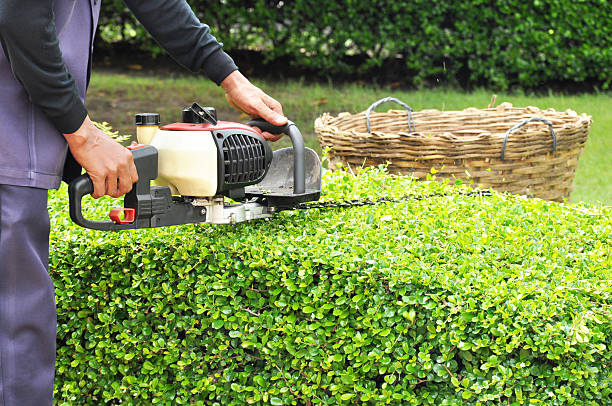
Shrubs are the slowest-moving part of any landscape, which makes them the easiest to neglect. Nothing dramatic happens when a trimming gets skipped — the hollies just grow a little, the hedge softens a little, the entry plants creep a little. Then one day the windows are half covered, the walkway is an obstacle course, and the property has quietly crossed from maintained to overgrown without a single identifiable moment when it happened.
Quarterly shrub trimming exists to make that slide impossible. Four visits a year, each removing one season of growth, each keeping every plant inside its intended shape and place. It sounds like a simple grooming schedule — but the four-visit rhythm delivers a stack of benefits that reach well past appearances, from plant health to house protection to the long-term cost of owning a landscape. Here's the complete list.
Trimming done on rhythm is preventive medicine for shrubs. Each quarterly visit removes dead, damaged, and diseased wood before problems spread, opens the plant's interior to the light and airflow that reduce fungal disease, and encourages the dense, full branching that makes shrubs look lush instead of leggy.
The rhythm itself is what protects the plants. Quarterly cuts remove modest new growth — light work the plant absorbs easily. The alternative, the once-a-year heavy cutting that neglected shrubs eventually require, is the hardest thing regularly done to landscape plants: severe cuts stress them, wrong-season timing exposes tender regrowth to freezes or removes the year's flower buds, and cutting too deep into species that can't regrow from bare wood leaves permanent holes. Most shrub damage isn't caused by neglect directly — it's caused by the aggressive rescue cutting that neglect eventually demands. Quarterly trimming means the rescue never becomes necessary.
There's also the species factor. A proper quarterly service treats every plant by its own rules — shearing the shrubs that thrive on it, hand-pruning the ones that shearing ruins, trimming spring bloomers only after they flower, thinning crape myrtles in winter and never topping them. Four visits a year of species-correct cutting is how a landscape's plants stay healthy for decades instead of declining in slow motion.
The shrubs along your foundation are inches from the structure, and quarterly trimming maintains the clearances that protect it. Growth held back off the siding and brick keeps a gap of moving air against the house — so walls dry after rain instead of hosting the trapped moisture that ages paint, feeds mildew, and invites rot. Heights kept below the window sills preserve light, views, and the clear sightlines that matter for security. The AC unit's zone stays open so the equipment can breathe and run efficiently. Walkways and entries stay clear instead of narrowing year by year.
None of these clearances announce themselves when maintained — and all of them cost real money when they're not. The moisture damage behind an overgrown foundation row, the pest highway that dense growth against a house becomes, the strained AC working against blocked airflow: these are the quiet bills of untrimmed shrubs, and the quarterly rhythm is what keeps them unwritten.
Shrubs frame everything a visitor sees — the entry, the windows, the walk, the house itself — and their condition sets the property's tone more than almost any other element. Crisp, shaped, proportioned shrubs make a home look composed and cared for; overgrown ones visually shrink the house, darken the windows, and read as neglect even when the lawn is perfect.
The quarterly schedule is what makes the sharp look permanent instead of periodic. Each visit resets every line the eye reads — the hedge tops, the entry pair, the foundation row, the bed specimens — before any of them drift far enough to notice. The property never has an overgrown season, which means it never has a season where the landscaping subtracts from the home. For anyone who entertains, lives on a visible street, answers to an HOA, or might sell within a few years, that year-round consistency is the benefit that justifies the service by itself.
Run the honest economics of landscape plants and quarterly trimming wins on cost, not just quality. Maintaining a shape is quick, light work — four modest visits a year. Restoring a shape is a project: the staged multi-season cutting that overgrown shrubs require, the awkward-looking recovery years in between, and the real risk of losing plants to the process. And replacing shrubs — the endpoint of the worst neglect — costs many times more than years of trimming, plus the years of waiting while replacements mature.
Every landscape is on one of those three paths. The quarterly rhythm is the cheap one — and it comes with complete cleanup every visit, the clippings hauled off, the beds left clean, none of it on your weekend.
Four visits, each unremarkable: a spring shaping as growth surges, a summer touch-up through the heat, a fall crisping before the dormant months, a winter visit for the structural work best done while plants sleep. No single visit transforms anything — and that's precisely the point. The transformation is that the landscape never needs transforming: plants healthy, house protected, curb appeal constant, costs low. That's what the quarterly schedule buys — not four haircuts a year, but a landscape that never gets away from you again.

Put your shrubs on the schedule that keeps them right. Kangaroo Outdoor Solutions provides quarterly shrub trimming — species-smart cuts, house clearances, and complete cleanup, four times a year. Build your quote today and never watch the landscape slide again.